What Makes a “Good” Digital Experience Platform in 2026?
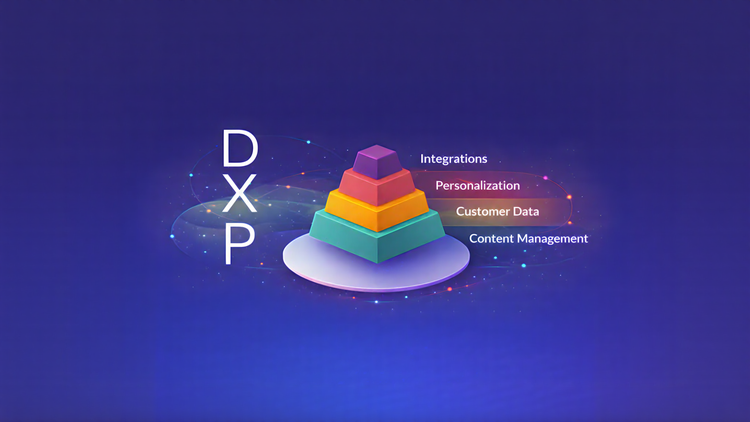
Digital experience platforms (DXPs) play an increasingly important role in how organizations design, deliver, and maintain their digital presence. As digital ecosystems become more complex, expectations around speed, reliability, and consistency continue to rise. In 2026, the focus shifts from adopting the newest platform to selecting solutions that support long-term performance, adaptability, and sustainable growth.
In this context, a “good” digital experience platform is not defined by its advanced features, but by how effectively it enables teams to deliver fast, consistent, and meaningful digital experiences over time.
Flexibility and Structure That Support Long-Term Growth

A strong digital experience platform in 2026 balances flexibility with structure. It allows organizations to adapt to new requirements and technologies while maintaining governance, consistency, and control. The platform should support collaboration across teams and integrate smoothly with existing systems, without creating unnecessary complexity.
This balance enables long-term growth without constant disruption.
Performance as a Core Part of the Digital Experience
Speed and performance have a direct and measurable impact on how users experience a digital platform. In 2026, performance is no longer a background technical requirement—it is a core part of the digital experience itself.
A good digital experience platform helps organizations:
- Deliver content quickly and reliably
- Ensure fast load times across devices, networks, and regions
- Move content efficiently from creation to delivery
When content reaches users faster, engagement increases. Pages that load quickly feel more responsive, easier to use, and more trustworthy. Even small delays can disrupt user attention and reduce interaction, especially as users continue to expect instant access to information.
Performance also plays an important role behind the scenes. Efficient content delivery allows teams to publish, update, and distribute experiences faster, reducing friction between systems and teams. This improves not only the user experience but also internal workflows and operational efficiency.
In 2026, digital experience platforms that prioritize performance enable organizations to deliver experiences that feel smooth and reliable at every touchpoint. By reducing latency and ensuring consistent delivery, these platforms encourage users to stay longer, interact more, and return with confidence.
A Practical and Supportive Role for AI
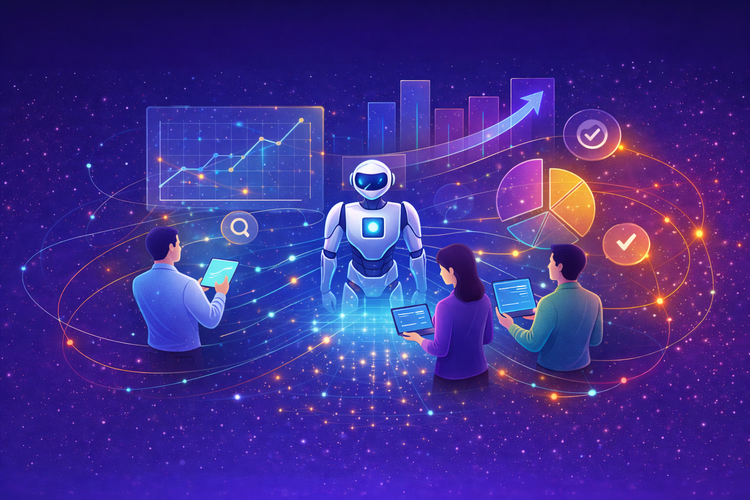
Modern digital experience platforms rely on data to support better decisions, without overwhelming teams. In 2026, the focus is on making data easier to understand and apply in everyday work.
A good platform makes relevant insights accessible across teams, helping them understand user behavior and improve digital experiences. AI supports this process by analyzing patterns, highlighting trends, and assisting with optimization and testing.
AI functions as a supportive capability within the platform, helping teams work more efficiently while maintaining clarity and control. Decision-making, strategy, and experience design remain human-led, with AI enhancing understanding rather than directing outcomes.
Final thoughts
A good digital experience platform in 2026 is defined by its ability to deliver clarity, speed, and adaptability in an increasingly complex digital environment. It treats performance as a foundation rather than an afterthought, uses data and AI in a practical and supportive way, and remains flexible enough to evolve as needs and expectations change.
As digital ecosystems continue to grow, platforms must support both stability and progress. This means enabling teams to work efficiently today while remaining prepared for future technologies, new channels, and shifting user behaviors.
Ultimately, platforms that move content faster, perform consistently, and support thoughtful collaboration between people and technology create stronger digital experiences. Over time, this consistency builds trust, encourages engagement, and provides a more sustainable path for digital growth.