AI and vibe-coding: who designs the system behind it?

A major change is taking place in the tech industry, and it's been developing quietly for a long time already. What was previously carefully planned and organized by developers is now created in just seconds by AI. We've seen QA and developer positions, especially those in frontend development, facing risks due to the growing threats posed by AI. These days, with clear instructions and a few AI helpers, anyone can create an app easily. The system responds quickly and smoothly, and everything comes together on its own. Even if everything can be handled through vibe-coding, someone still has to design the system.

Work desk
medium
The illusion behind it
A few prompts, trying out different AI models, and you've got a beautiful and functional component. Responsiveness takes little to no time. Refactoring can be completed in a couple of hours, not days. Accessibility is addressed through a few prompts added towards the very end. AI can assist with everything, and it feels almost too easy, but what is the price? AI doesn't really understand the product, the client's requirements, or the real technical debt. Of course, it can generate any pattern the developer requests, follow best practices, learn from its own experiences, and adapt over time, though it doesn't have a real human perspective. The frontend developer is more important now than ever, to lead and manage the process and ensure that applications built in the era of AI are just as carefully thought out as before.
Quantity isn’t quality
AI is fast and learns from itself. However, „speed” doesn't always mean „good”, and shipping a lot doesn't necessarily make it better. Even if the process can be completed in less time, the product's quality must not be compromised. Yes, the project can be completed faster, and many bugs and makeshift features can be identified and addressed before involving QA or clients. AI can handle those tasks effectively, but it requires a consultant-like approach to manage them properly. Without that, it often leads to lots of inconsistencies, unused code, and accumulated technical debt. To maintain a high coding standard and create a scalable, readable, and maintainable application, a real developer with personal experience is needed to plan and provide guidance. Otherwise, it's simple to scale a platform that isn't consistent, and this could lead to more negative effects than the positive ones from a well-designed platform.
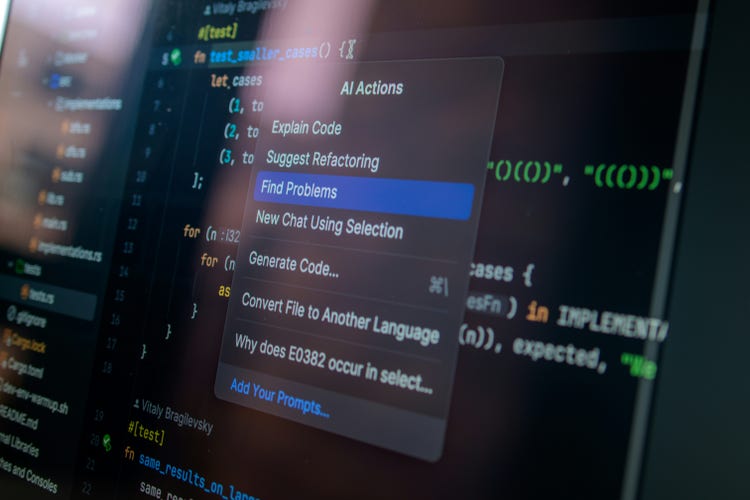
AI
medium
The results of vibe-coding
Vibe-coding is the talk right now. There are numerous outcomes from fully functional applications created through vibe-coding, requiring minimal or no involvement from a real developer. However, this is not sustainable at all. AI learns. And fast. But unfortunately, it’s not always consistent. Your app might end up looking good with no obvious or annoying bugs, but the code inside could be really messy if you don't get a fresh look from another developer. With vibe-coding, you end up with three different spacing values: 16px, 1rem, 1em, and so on. When you apply this to a number of components, the issue becomes clear.
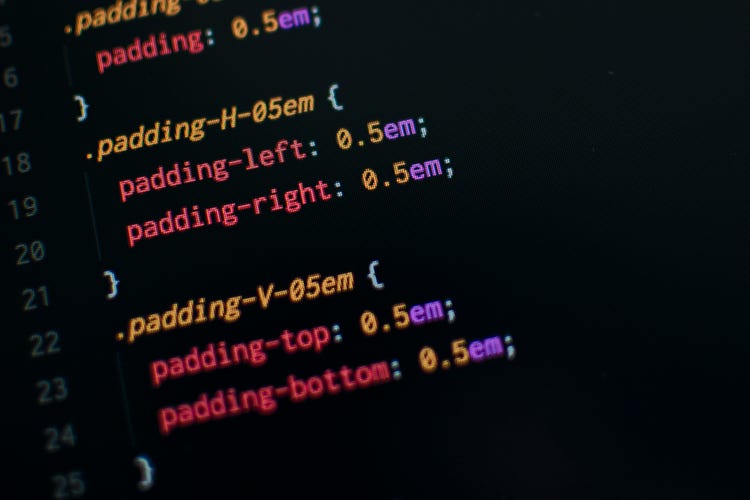
Code lines
medium
Assistant or Senior Developer?
Many people worry that AI will replace them as a skilled developer, but AI isn't actually an engineer. It is engineered to be an assistant. Viewing things this way simplifies planning everyday tasks in tech careers. Sure, it can restructure applications, eliminate unused code, introduce automated tests, style components, and switch from one design framework to another. However, it can’t foresee what the client truly needs beyond the Figma design and the written documentation. AI won't figure out by itself if some methods aren't sustainable over time, and it won't pay attention to "that hacky fix it used to get it working." It will just keep going. Real frontend abilities are more important than ever, and developers should start thinking like consultants. Dive deeper into the client's needs. See the product’s bigger picture. Think ahead. Therefore, AI won’t write the developer’s CSS code, but it will follow the principles and architectural rules that the Frontend Consultant has determined.

AI
medium
Who designs the system?
The development team remains responsible for designing the system, more than ever before, even if AI is involved in building it. AI can generate, refactor, optimize, and add tests, but it doesn't really grasp the business value, and it doesn't know the client. AI can't really predict what the client will need in six months. It just adds onto what was already built. If there's no proper developer maintenance, the code can become too complicated to manage. CSS can be easily created, which reduces the work for developers, but it changes their role to focusing more on advising the client and taking responsibility for the outcome of the implementation. Therefore, the responsibility here is still human. Humans are still in charge of creating systems that can grow and keep their performance consistent as they get bigger.
Human roles won’t disappear
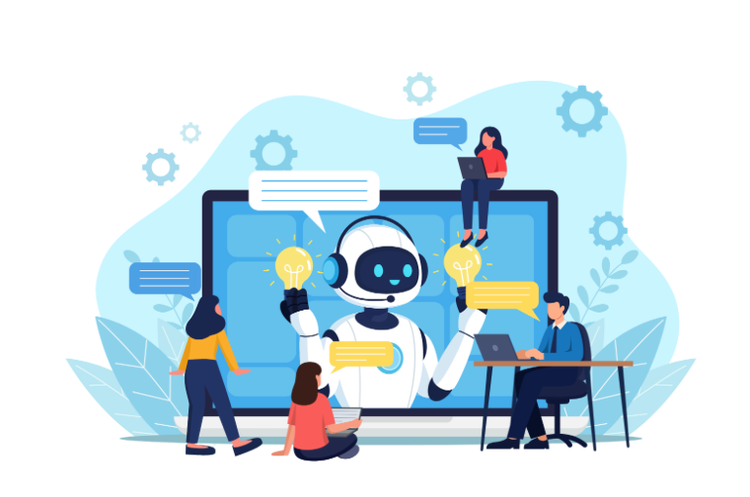
Right now, there's a widespread concern about the risks posed by general AI across the entire tech industry. It should be viewed as a chance. The common belief is that AI will impact frontend developers, but actually, it influences everyone in the delivery process, though not in a negative way. It can be viewed as a change in direction and a new emphasis. Developers still hold ownership, no matter if the content was created by AI and reviewed by the developer, or made by the developer and improved by AI, or completely built by the developer from the beginning. Nowadays, there's a tighter focus on quality because inconsistent code can slip through more easily than before. The need for checking implementation has increased more than ever, because trusting a teammate and trusting Copilot are completely different experiences.
Default alt
small
Final thoughts
Delivering something quickly should not come at the cost of making it harder to keep working properly over time, and any issues that arise from moving too fast should be spotted and fixed early. The user interface can be delivered more quickly, but this shouldn't mean compromising on its quality, and the level of complexity remains unchanged. AI can change how fast things are done, but it doesn't change who is responsible. Code made by AI is treated the same as code written by a person. It still needs to be reviewed, tested carefully, and come with clear written documentation. In the end, the developer's job is to figure out the business value and create the system, using the tools that are popular right now.
Let’s create something great.
We bring bold ideas to life. As your partner for digital transformation, we’re here to support shaping outstanding projects for leading brands. Reach out and discover how our expertise can drive your success.
Let's Talk
Your next big project starts here.
Looking for fresh ideas, innovative solutions, or a partner who takes your goals seriously? Let’s connect and start building success together.